
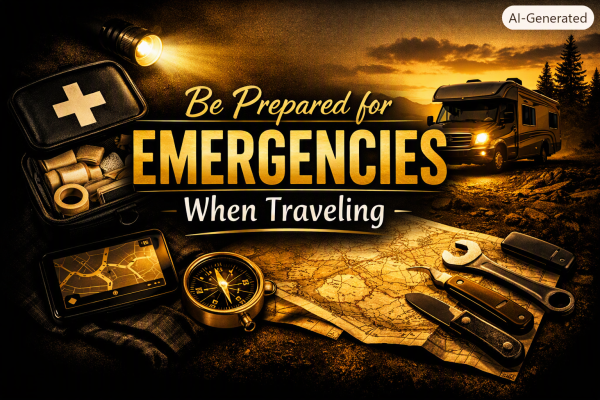
Planning your next RV holiday is exciting
But preparation is what keeps your trip safe, smooth, and enjoyable.
Whether you’re heading out for a weekend getaway or a month‑long adventure,
Taking time to prepare properly can make all the difference.
Below are the essential safety tools and planning steps every RV traveler should consider before hitting the road.
Why Emergency Preparedness Matters
Being prepared isn’t just about comfort—it’s about safety.
RV travel can take you through remote areas, unpredictable weather, and long stretches without services.
Having the right tools and plans in place ensures you can handle unexpected situations confidently.

Essential Safety Items for Your RV Trip
1. A Fully Charged Mobile Phone
A mobile phone is non‑negotiable.
Keep it charged at all times and store a spare charger in your RV.
Your phone is your lifeline for navigation, communication, and emergency assistance.
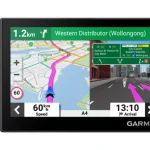
2. GPS Navigation System
A GPS unit is especially helpful for long‑distance trips.
It can guide you through unfamiliar areas and help others locate you if needed.
Many modern RVs include built‑in GPS systems, but standalone units or phone‑based GPS apps work just as well.
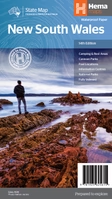
3. Traditional Road Maps
Technology is great—until it isn’t.
GPS units can fail, lose signal, or simply be confusing for beginners.
Always keep a physical road map, atlas, or map book in your RV.
They’re reliable, easy to reference, and invaluable in remote areas.
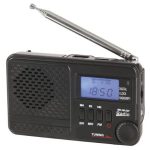
4. Weather Radio or Portable AM/FM Radio
A battery‑powered radio can provide critical weather updates, especially during storms or when you’re out of mobile range.
Many weather radios also include helpful extras like flashlights, alarm clocks, and compasses.
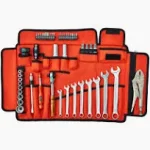
5. A Well‑Stocked Toolbox
Even a small toolbox can save the day. At minimum, include:
-
Screwdrivers
-
Hammer
-
Wrench
-
Box cutter or pocket knife
If you have space, expand your kit—more tools mean more options when something goes wrong.
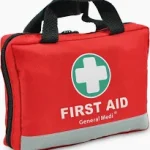
6. First Aid Kits
Every RV should have a large, well‑stocked first aid kit.
Consider carrying two if you’re traveling with a group.
Make sure your kit includes supplies for cuts, burns, sprains, and basic medical needs.
Create an Emergency Plan
The most important safety tool isn’t something you pack—it’s the plan you make.
Discuss emergency procedures with your travel companions:
-
What to do if someone gets injured
-
How to respond to severe weather
-
Where to meet if you get separated
-
Who to contact in an emergency
A clear plan keeps everyone calm, confident, and ready to act.
Final Thoughts
RV travel is one of the best ways to explore and enjoy the outdoors
Preparation is what keeps your adventure safe and stress‑free.
Pack smart, plan ahead, and make sure your RV is equipped for whatever the road brings.